
Hiromichi Horikawa
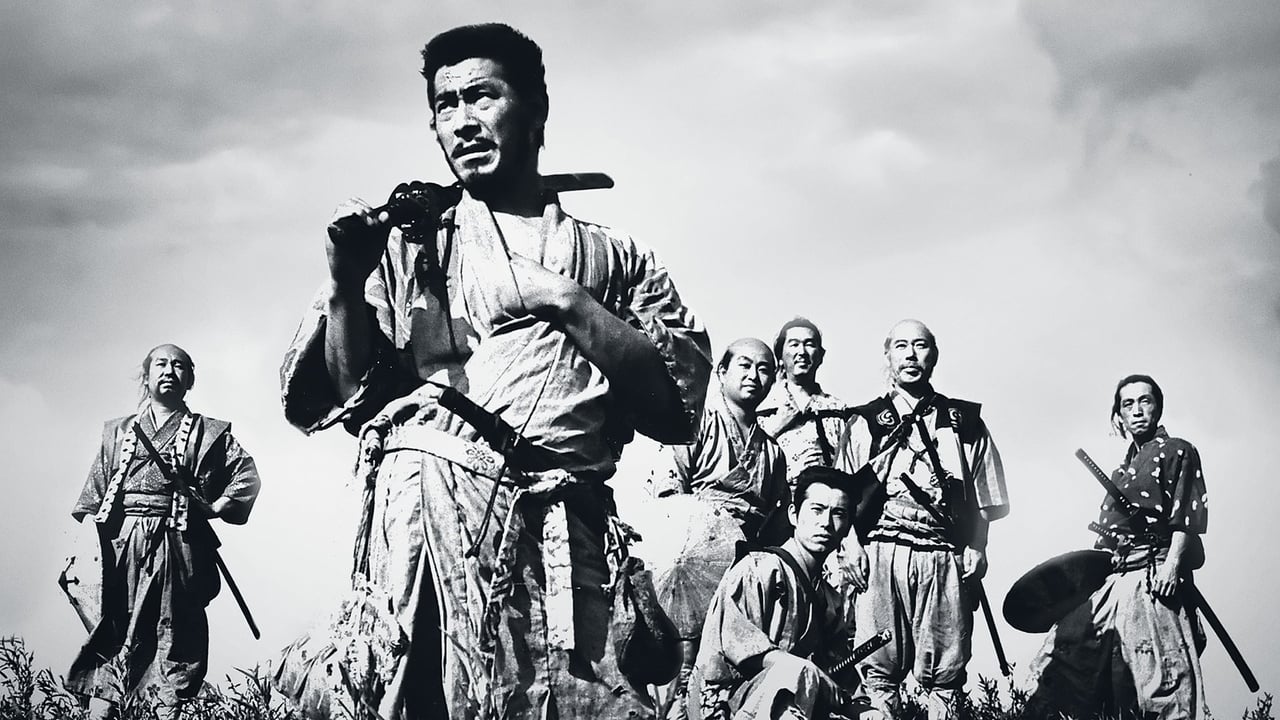
Director · Actor · WriterHiromichi Horikawa was born on November 28, 1916 in Kyoto, Japan. He was a director and assistant director, known for Seven Samurai (1954), Ikiru (1952) and Throne of Blood (1957). He died on September 5, 2012 in Kyoto, Japan. Horikawa Hiromichi was a Japanese director. He was assistant director to Kurosawa Akira for the production of Seven Samurai (1954) and Throne of Blood (1957). Akira Kurosawa’s assistant on numerous films including Ikiru (1952) and Seven Samurai (Shichinin no samurai, 1954), Horikawa has never achieved his mentor’s fame. Kurosawa himself scripted his directorial debut, A Story of Fast-Growing Weeds (Asunaro monogatari, 1955), about an adolescent and the first three women in his life. A concern with youthful experience was also visible in Horikawa’s second and third films, Summer Eclipse (Nisshoku no natsu, 1956), a taiyōzoku (“sun tribe”) film based on a Shintarō Ishihara novel, and The Last Day of Oishi (“Genroku Chūshingura: Ōishi saigo no ichinichi” yori: Koto no tsume, 1957), a reworking of the Chūshingura story that focused particularly on the youngest of the participating ronin and his fiancée. Another retelling of a classical Japanese story was the Chikamatsu adaptation Oil Hell Murder (Onnagoroshi abura jigoku, 1957), but Horikawa returned to contemporary subject matter with The Naked General (Hadaka no taishō, 1958), a portrait of mentally handicapped collage artist Kiyoshi Yamashita. In this darkly humorous account of a stubborn non-conformist, Horikawa touched for the first time on the subject of World War II, ironically showing how the artist’s apparent madness enabled him to escape the draft. The melodrama Eternity of Love (Wakarete ikiru toki mo, 1961), tracing a woman’s unhappy marriages and affairs, also unfolded against a wartime backdrop. During the sixties, Horikawa made several thrillers: the socially conscious aspects of these films suggest the continuing influence of Kurosawa while also evoking Masaki Kobayashi, whose regular actor Tatsuya Nakadai appeared in TheBlueBeast (Aoiyajū, 1960) and PressureofGuilt (Shirotokuro, 1963). The former charted the rise and fall of a low-ranking executive who exploits both labor and management, while the latter was a tangled psychological thriller about an attorney who, having strangled his lover, faces a moral dilemma when another man confesses. Later, GoodbyeMoscow (SarabaMosukuwagurentai, 1968) used the relationship between a Japanese jazz pianist, an American soldier on leave from Vietnam, and a group of young Russian dissidents as a metaphor for Japan’s situation in the Cold War era. TheMilitarist (GekidōnoShōwashi:Gunbatsu, 1970) was a critical biopic of General Tōjō, which dramatized the military coup of February 26, 1936, while SunAbove,DeathBelow (Sogeki, 1968) was a conventional if snappily edited thriller about a doomed hitman.
More details at TMDB
KNOWN FOR


FILMOGRAPHY
ACTOR1

DIRECTOR30

Asian Blue: Ukishima-maru Incident
1995
Director

War and Flowers
1989
Director

Mutchan
1985
Director
- Have Wings on Your Heart
Have Wings on Your Heart
1978
Director

The Alaska Story
1977
Director

Without Complaint
1975
Director

The King
1973
Director

The Militarists
1970
Director

School Festival Night: A Sweet Experience
1970
Director

Good-bye Moscow
1968
Director

Sun Above, Death Below
1968
Director

The Last Judgment
1965
Director

The World's Most Beautiful Swindlers
1964
Director

Brand of Evil
1964
Director

Fumiko's Five Benefactors
1964
Director
- The Prodigal Son
The Prodigal Son
1964
Director

Pressure of Guilt
1963
Director

Musume to watashi
1962
Director

Eternity of Love
1961
Director

The Lost Alibi
1960
Director

The Blue Beast
1960
Director

The Path Under the Platanes
1959
Director

The Naked General
1958
Director

Last Days of the Samurai
1957
Director

The Oil-Hell Murder
1957
Director

Summer in Eclipse
1956
Director

Tomorrow I'll Be a Fire-Tree
1955
Director

Seven Samurai
1954
Assistant Director

My Wonderful Yellow Car
1953
Assistant Director

Wedding March
1951
Assistant Director